
The Dordogne valley is lousy with châteaux. You can’t drive five minutes without one appearing on a hilltop. Most of them blur together after a while — stone walls, arrow slits, gift shop. Milandes is different. It’s one of the prettiest castles in the area, and it has one of the strangest stories.
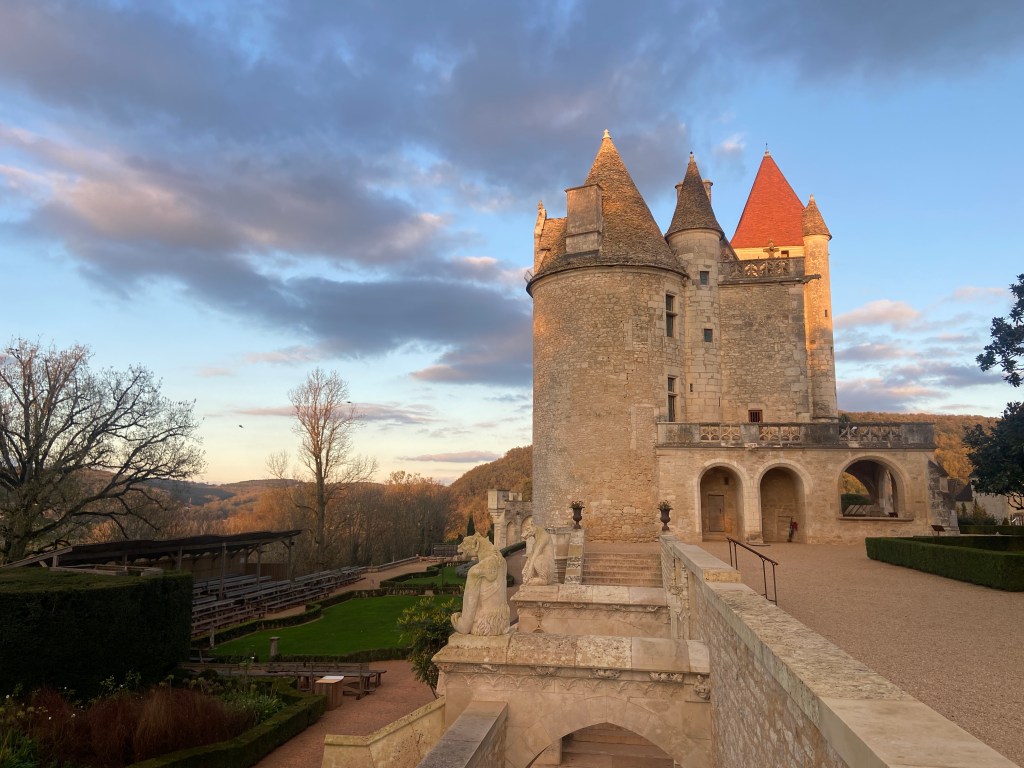
The Castle
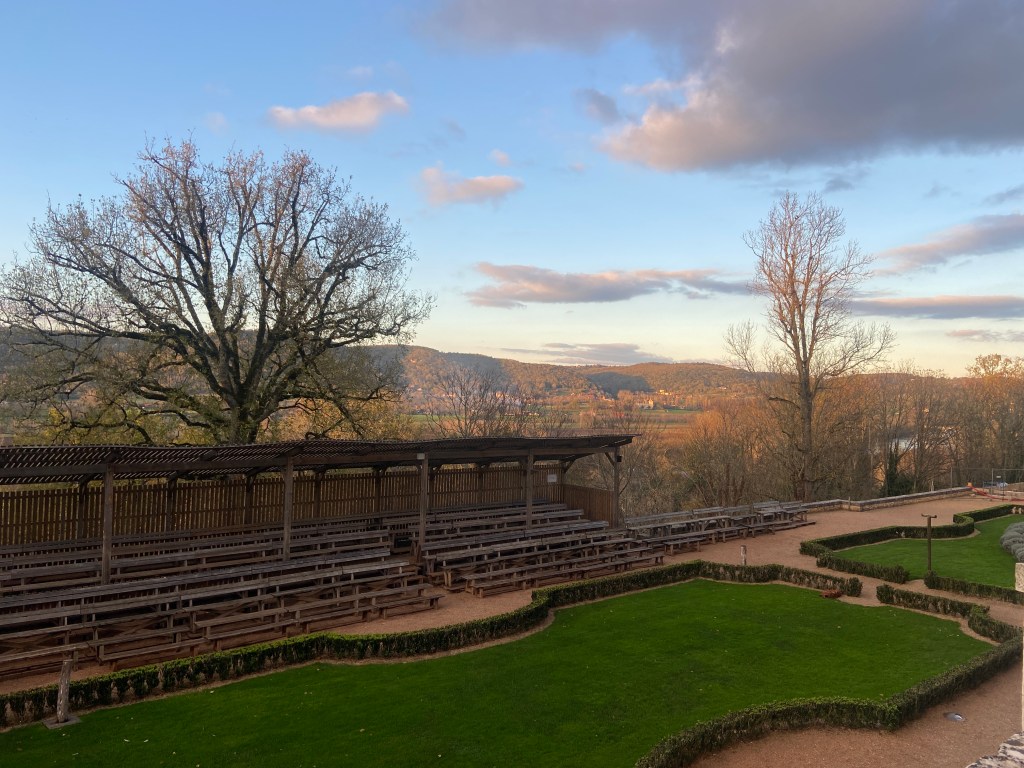
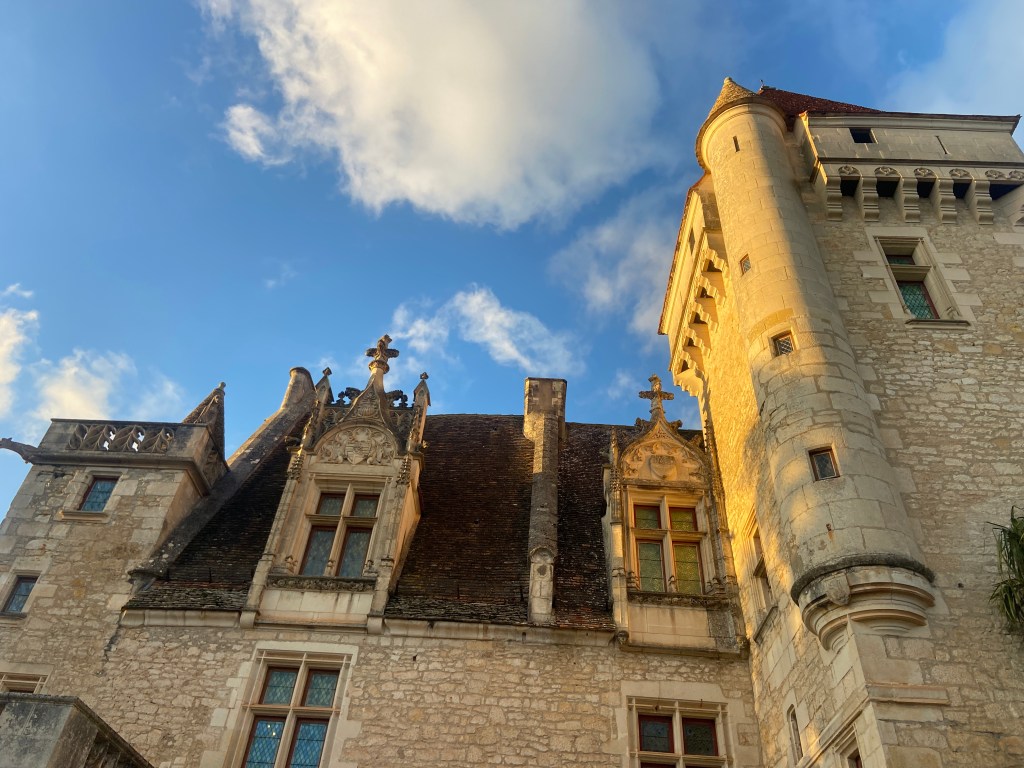
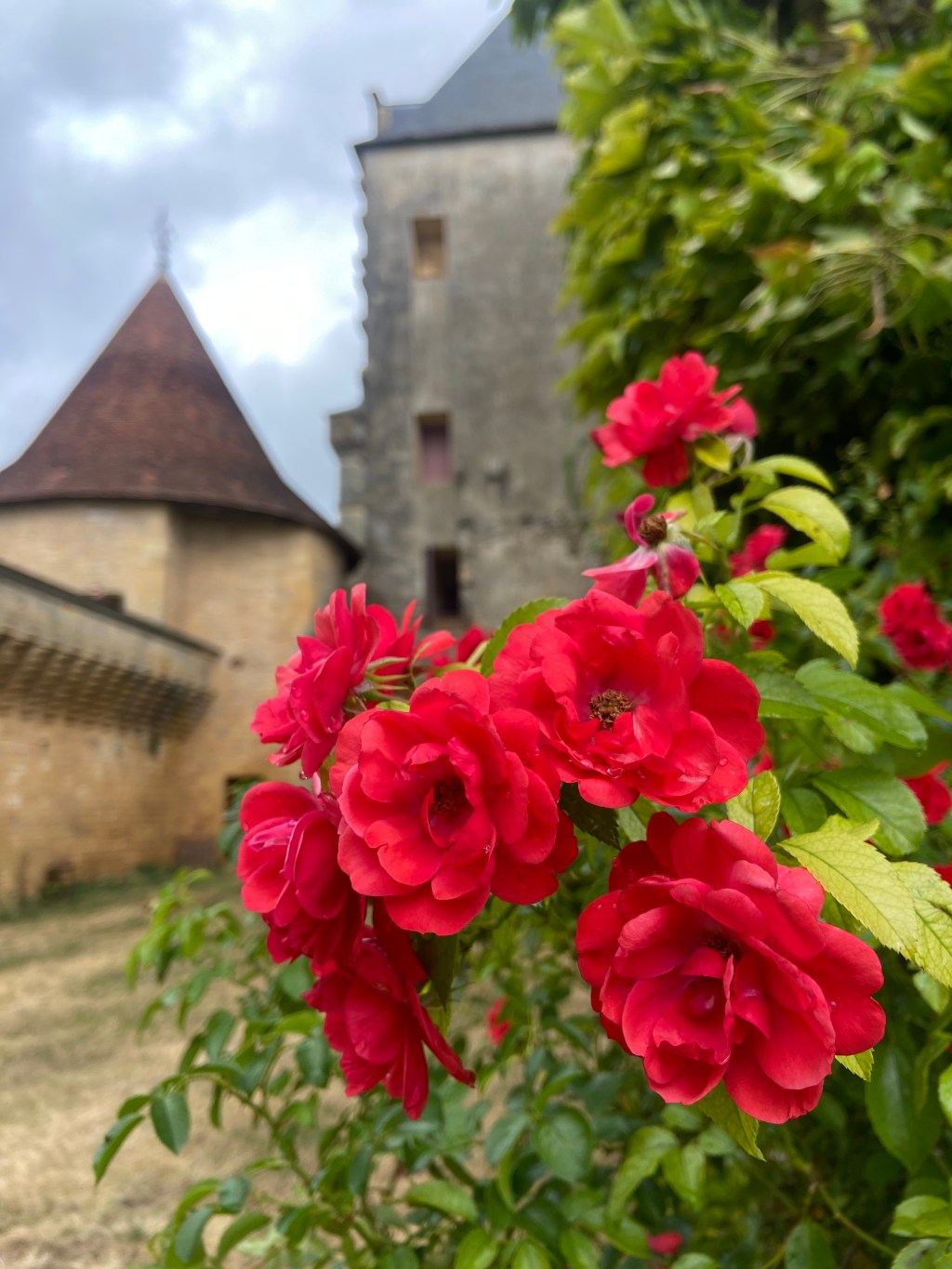
Château des Milandes was built in 1489 by François de Caumont for his wife, who found his other castle (Castelnaud, just up the road) too gloomy. Fair enough — Milandes has mullioned windows, stained glass, gargoyles, slate turrets, and views over the Dordogne valley. It feels like a castle someone actually wanted to live in. The gardens, redesigned in the early 1900s by a Parisian landscape architect, are lovely and classified as Jardins Remarquables.
Josephine Baker
The château is really a museum about Josephine Baker, and her life story is genuinely wild. Born in 1906 in St. Louis, Missouri, she grew up poor, left home as a teenager, and by her early twenties was the most famous entertainer in Paris — dancing at the Folies Bergère, scandalizing and delighting audiences in equal measure. She became a French citizen, spied for the Resistance during World War II (hiding coded messages in her sheet music), earned the Croix de Guerre and the Légion d’Honneur, and in 2021 became the first Black woman interred at the Panthéon in Paris.
She rented Milandes in 1937 and bought it in 1947. Then things got ambitious. She adopted twelve children from all over the world — Japan, Finland, Algeria, Colombia, France, Korea, and elsewhere — calling them her “Rainbow Tribe,” intended to prove that children of different races and religions could live together in harmony.
It’s a beautiful idea. It was also, by any practical measure, chaos. Twelve adopted children, a château that needed constant upkeep, a tourist complex she built on the grounds (hotel, restaurant, mini-golf, wax museum), and a performing career to fund it all. The finances never added up. By the late 1950s she was millions of francs in debt. Brigitte Bardot launched a public appeal, the King of Morocco sent money, but it wasn’t enough. She was forced to sell in 1968 and reportedly had to be carried out of the building. She died in 1975, two days after a triumphant comeback show in Paris.
You walk through the rooms and you see her stage costumes, her Art Deco bathroom, her children’s bedrooms. Whatever you think of the execution, Baker’s courage and conviction were extraordinary.
Visiting
The château is open roughly March through November, plus Christmas holidays. In high season, there is a daily birds of prey show (falcons, hawks, owls) that’s well done and popular with kids. The gardens alone are worth the stop. Budget at least two hours.
Combine With
Milandes is in the heart of the Dordogne’s château country, so you can easily pair it with other visits in the same day:
- Château de Castelnaud — the big medieval fortress just up the road, with excellent displays of medieval weaponry
- Beynac — one of the most beautiful villages in France, with its own clifftop castle
- La Roque-Gageac — another gorgeous village wedged between the river and the cliff
- Jardins de Marqueyssac — famous for its sculpted box hedges and panoramic views
- A canoe on the Dordogne — several rental outfits operate between Cénac and Beynac, and paddling past the castles is one of the best things you can do in this part of France
 gascony girl